Roof Repair
The company maintains licensing where Hawaii requires it and follows the same inspection sequence regardless of location. Materials are chosen to match the existing roof rather than substituting the nearest available stock.
Roofing · Hawaii
National Roofing Center handles roofing work across Hawaii.
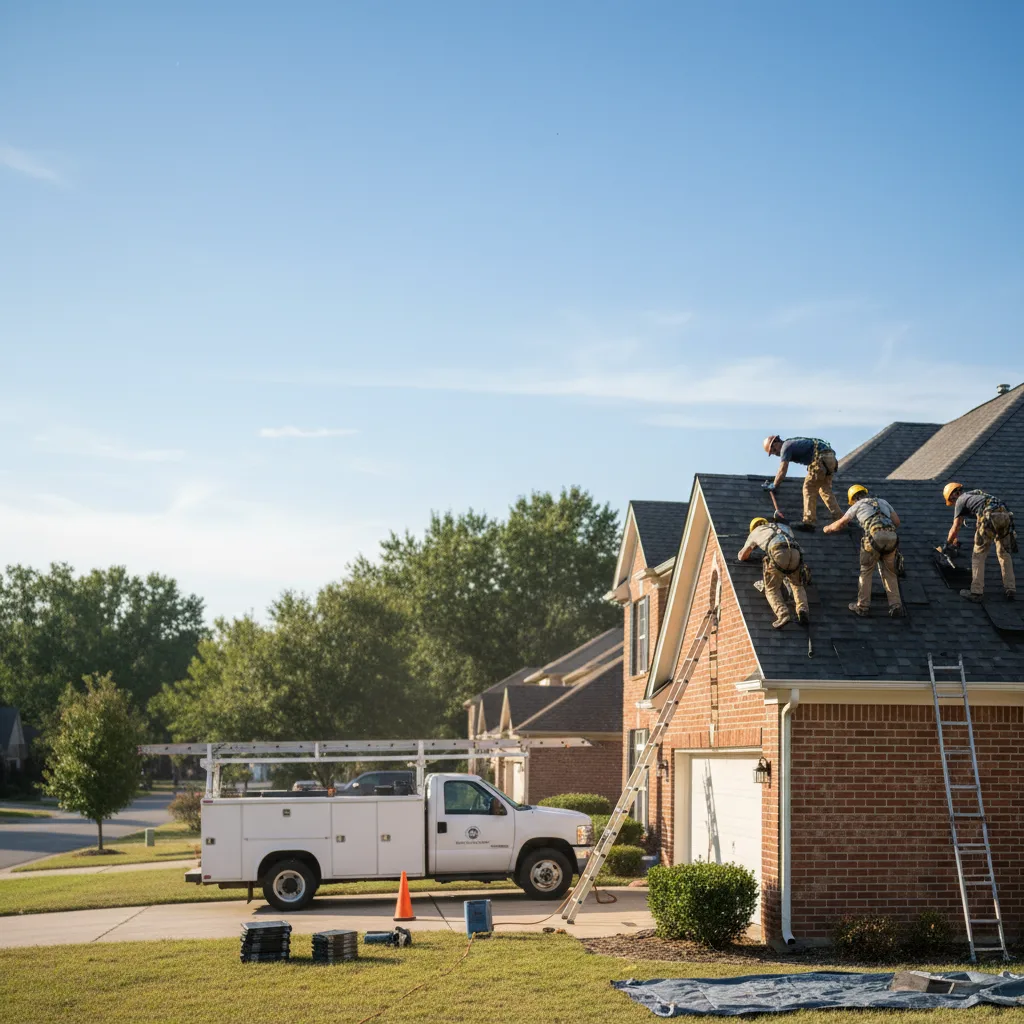
Every repair follows the permit rules and building standards that apply in the area where the property sits.
We select shingles and underlayment for the weather each home actually faces, whether that is hail, wind, heavy rain or repeated freeze-thaw cycles.
The same roofers who start a job stay on it until the work passes inspection and the site is clean.
Services
The company maintains licensing where Hawaii requires it and follows the same inspection sequence regardless of location. Materials are chosen to match the existing roof rather than substituting the nearest available stock.
National Roofing Center sends crews that already know the permit process used in Hawaii. Materials are chosen to match the weather conditions common across the state, and every job ends with a final walkthrough that includes guidance on ongoing roof maintenance.
Crews document existing conditions before work begins and review material choices with the property owner. The focus stays on matching the roof system to the structure and local exposure rather than a single product line.
Inspectors document every accessible area with photos and measurements. The same checklist is used whether the property is in a city or a smaller community.
Technicians record conditions with photos and measurements before any materials are ordered. Reports follow formats commonly used by adjusters. All roof repairs meet local code and permit rules.
We focus on the condition of the existing roof rather than pushing roof replacement. Crews carry common repair materials on every truck so small fixes can be finished during the same visit when possible.
The company focuses on matching repair methods to the actual roof condition rather than applying a single approach to every project. Crews document findings with photos and provide a written description of what will be done.
Installers measure each elevation separately rather than using a single template. They carry both standard and heavy-gauge materials so the choice fits the roof pitch and local wind exposure. Final water tests happen before any equipment leaves the property.
A roof repair often begins with a close look at the surface after wind-driven rain or hail. Crews handle this work across Hawaii. Crews check flashing around chimneys and vents first, because those joints open up long before the main field of shingles fails. They also lift a few courses to see whether water has reached the underlayment or decking. Where damage stays limited to the top layer, the fix can involve new shingles and fresh sealant. When the deck itself has softened, the section is cut out and replaced before the new covering goes down. The goal is to stop water from reaching the interior while keeping the rest of the roof intact.
Homeowners in Hawaii sometimes notice dark streaks on ceilings or attic insulation that feels damp after a rain. These clues usually trace back to missing granules on the shingles or lifted edges that let water slip underneath. A quick walk around the outside can reveal curled tabs or granules collecting in gutters. Inside the attic, daylight coming through nail holes or soft spots underfoot also signal that the deck needs attention. Checking these areas early keeps small openings from turning into larger sections that require more extensive work later.
Why us
The same standard of work in every town we cover
We handle roofing work for homes and businesses throughout Hawaii. Each job is assessed on site before anything is quoted, and the person who does the assessment is the person who carries out the work.
Every property receives an in-person evaluation so the quote reflects actual conditions at that location
A written outline of the work and pricing is provided before any materials are ordered or labor begins
Frequently needed components are kept on the service vehicles to reduce delays during repairs
Our process
The sequence starts with an assessment of the roof condition and moves through targeted removal, replacement, and a final check that the repair meets local standards.
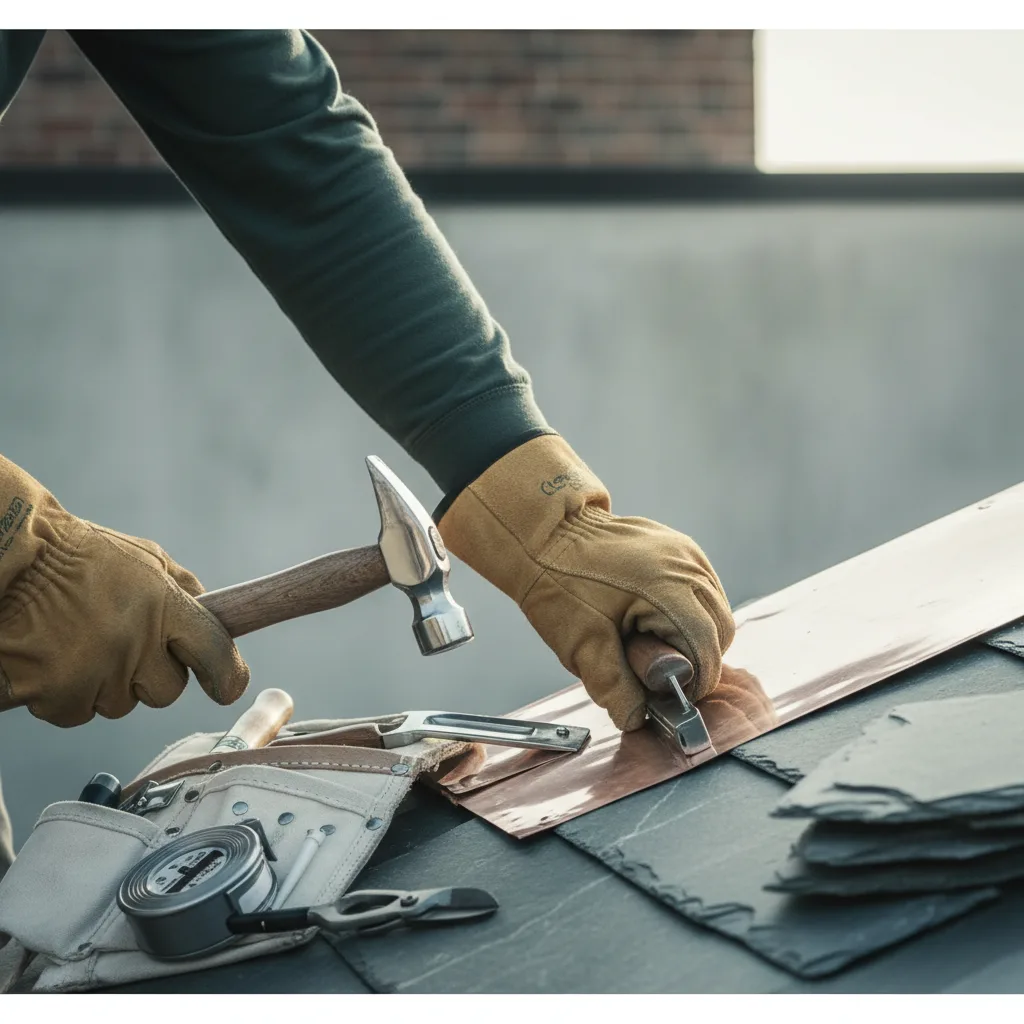
The first step is an on-site assessment that notes the roof pitch, existing layers, and any ventilation issues. From there the crew removes damaged sections without disturbing sound areas, replaces underlayment where needed, and reinstalls matching shingles. All fasteners are driven to the correct depth so they do not back out in high wind. Finally the site is cleared of debris and the customer receives a written summary of what was replaced.
Properties that sit under tall trees collect more leaves and pine needles, which hold moisture against the surface. Homes with complex rooflines have extra valleys and step flashing that must be checked on every visit. Older decks that have already carried two layers of shingles can flex more than newer ones, so the repair plan accounts for added support in those spots. In each case the crew works to the conditions found rather than a fixed checklist.
Hawaii presents a range of roofing challenges tied to its climate and geography. Properties across the state face frequent rain, strong winds, salt air near the coast, and intense sun in drier areas. National Roofing Center brings experience with these conditions to every project, helping homeowners and businesses maintain durable roofs suited to local demands.
Our crews travel throughout the islands to inspect and address issues wherever they arise. This statewide reach allows us to apply lessons from varied settings while delivering the same level of care on each job.
Work begins with an on-site review and a straightforward discussion of findings. Recommendations are explained clearly, and pricing is confirmed before any repairs or replacements start. Technicians follow consistent methods developed for Hawaii's weather patterns, focusing on practical solutions that fit the property.
Response times are kept as efficient as possible so concerns can be evaluated without unnecessary delay. Materials and techniques are selected to handle ongoing exposure to moisture and wind common across the state.
National Roofing Center serves residential and commercial locations from one end of Hawaii to the other. The team draws on broad regional knowledge to offer advice tailored to each building's situation.
Key considerations often discussed include:
This approach keeps communication direct and helps property owners make informed decisions without pressure.

Pricing
The size of the affected area, the number of layers already on the roof, and how easily the crew can reach the work all affect the total. Figures below are starting points only and not quotes for any specific job.
Roof repair — starting at $850 Flashing replacement — starting at $375 Underlayment section repair — starting at $425 Shingle color matching — starting at $225 Deck board replacement — $650-$950 Valley reseal — starting at $310 Ridge vent repair — starting at $290 Gutter tie-in fix — starting at $265 Permit handling — starting at $175 Final inspection walkthrough — starting at $150
Landlords in Hawaii often request roof repair on multi-unit buildings where tenant turnover creates the need for quick, contained fixes rather than full replacements. The same approach applies to small commercial structures that cannot shut down during the day. Crews schedule around business hours and protect walkways and parking areas with tarps and barriers. Because these roofs tend to be low-slope or modified bitumen, the repair steps focus on seams and drains instead of individual shingles. Documentation is provided so property managers can keep records for insurance or future sale.
Clearing vehicles from the driveway and moving patio furniture gives the team safe ladder access. Noting which interior rooms show stains helps the crew start their inspection in the right area. Owners can also turn off attic fans so the sound of footsteps is easier to trace. These simple steps let the work proceed without extra delays while the crew concentrates on locating every entry point for water.
FAQ

The price changes with the number of layers that must be removed, whether decking needs replacement, and how many flashings or penetrations are involved. Access to the work area and the type of material required to match the existing roof also affect the total. A single visible defect can turn into a larger scope once the layers are lifted.
Sealant can mask the entry point for a short time but does not correct the reason water found its way in. Temperature swings and wind eventually reopen the path. A proper repair removes the damaged material and restores the layers so the roof sheds water as originally intended.
A water mark can appear days or weeks after the actual entry point because moisture travels along rafters or under the decking. The visible spot may be far from the leak origin. An inspection that includes the attic space shows whether active moisture is still present and whether insulation or wood has already been affected.
Nearby
Coverage